When a tooth is missing, the empty space feels like the only problem. Neighbouring teeth quietly start to share a new burden. They may tip into the gap, take heavier chewing loads, or need to be filed down if a traditional bridge is chosen. At Tooth and Gums in Greater Noida, Dr. Neeraj Chauhan (BDS) often explains implants not only as a way to fill a smile, but as a way to leave healthy neighbours as undisturbed as possible.
This is not a sales pitch against every bridge or denture. Those options still help many people. It is a clear look at how an implant carries its own load—much like a natural root—so the teeth on either side do not have to become unpaid support beams.
What happens in a gap over time
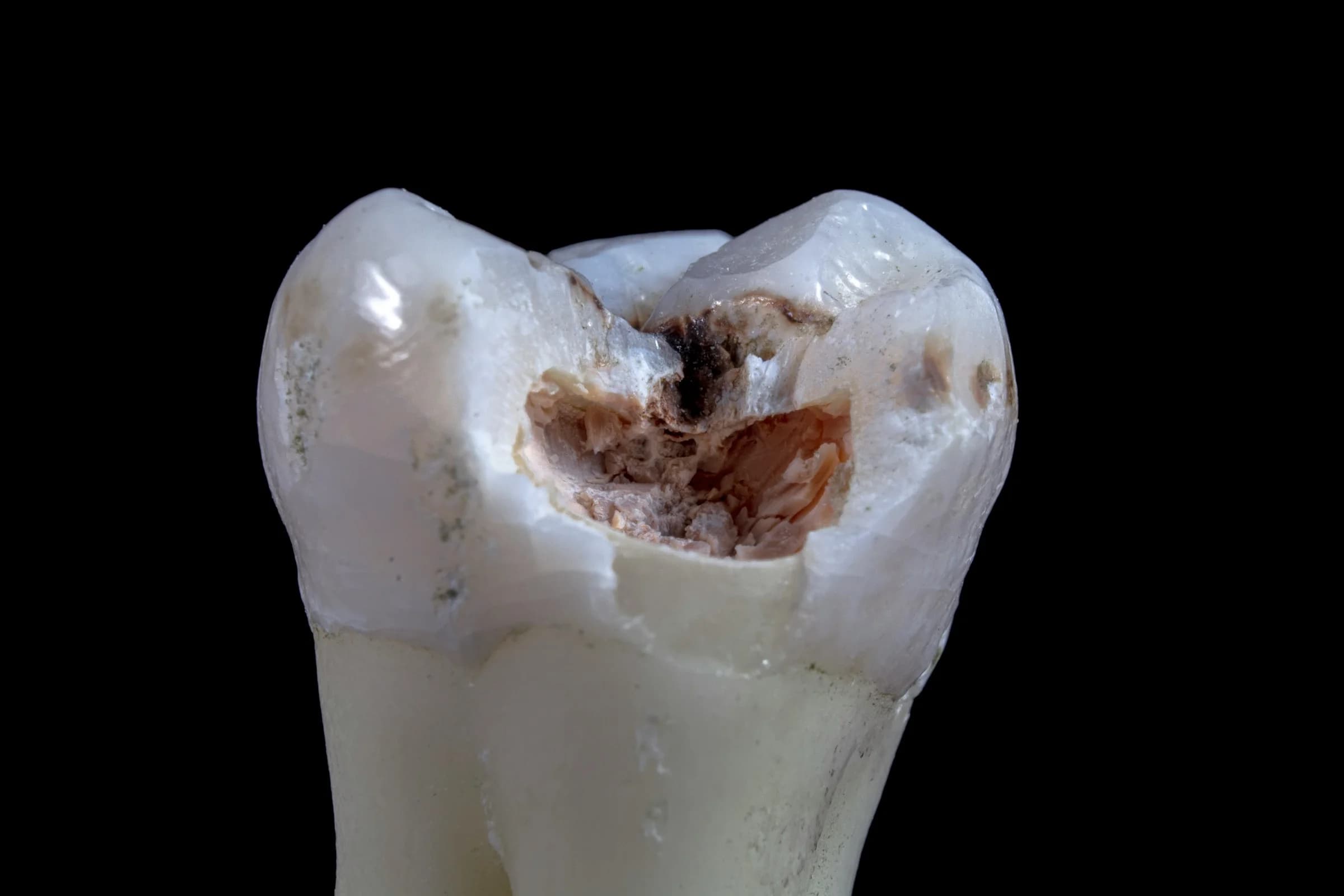
Teeth like company. When one disappears, the next tooth can drift toward the space, and the opposing tooth can grow slightly longer into the open bite. Food packs more easily. Flossing becomes awkward. A bite that once felt even can start to click or feel “off” on one side. Months or years later, fixing the gap may also mean straightening or reshaping teeth that moved—extra work that early replacement might have reduced.
Bone in the empty socket also tends to shrink without the stimulation a root once provided. That does not mean panic; it means planning sooner usually keeps more options open.
How a bridge leans on neighbours
A classic fixed bridge replaces the missing tooth by crowning the teeth on both sides and hanging the false tooth between them. Those abutment teeth must be reduced to make room for crowns. If those teeth were already perfect, that preparation is a real trade-off. If they already needed crowns, a bridge can be an efficient double duty. We discuss that trade honestly case by case.
Bridges also mean the joined unit needs careful cleaning underneath. Plaque left under the false tooth can irritate gums even when the smile looks fine from the outside.
How an implant stands on its own
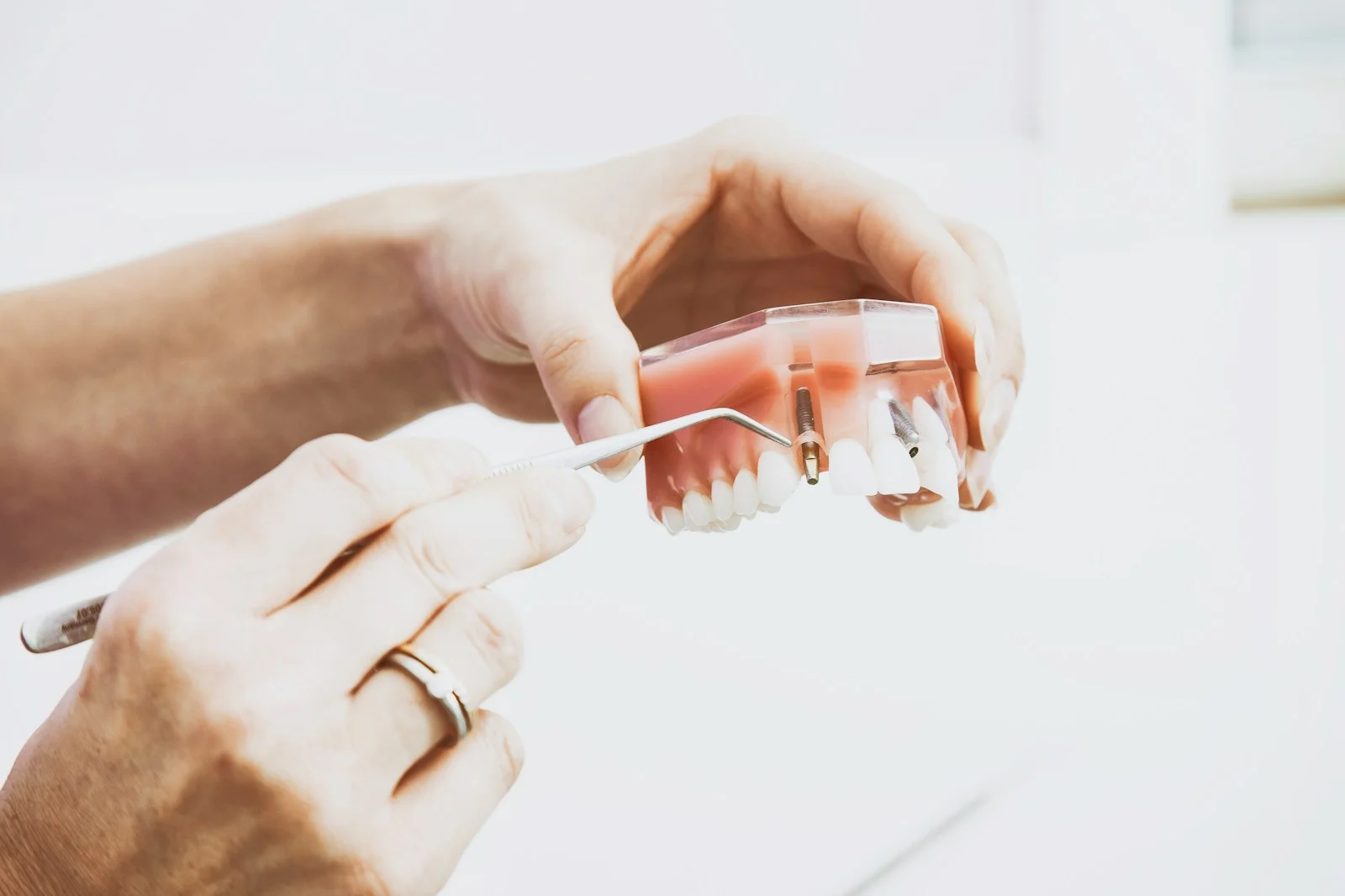
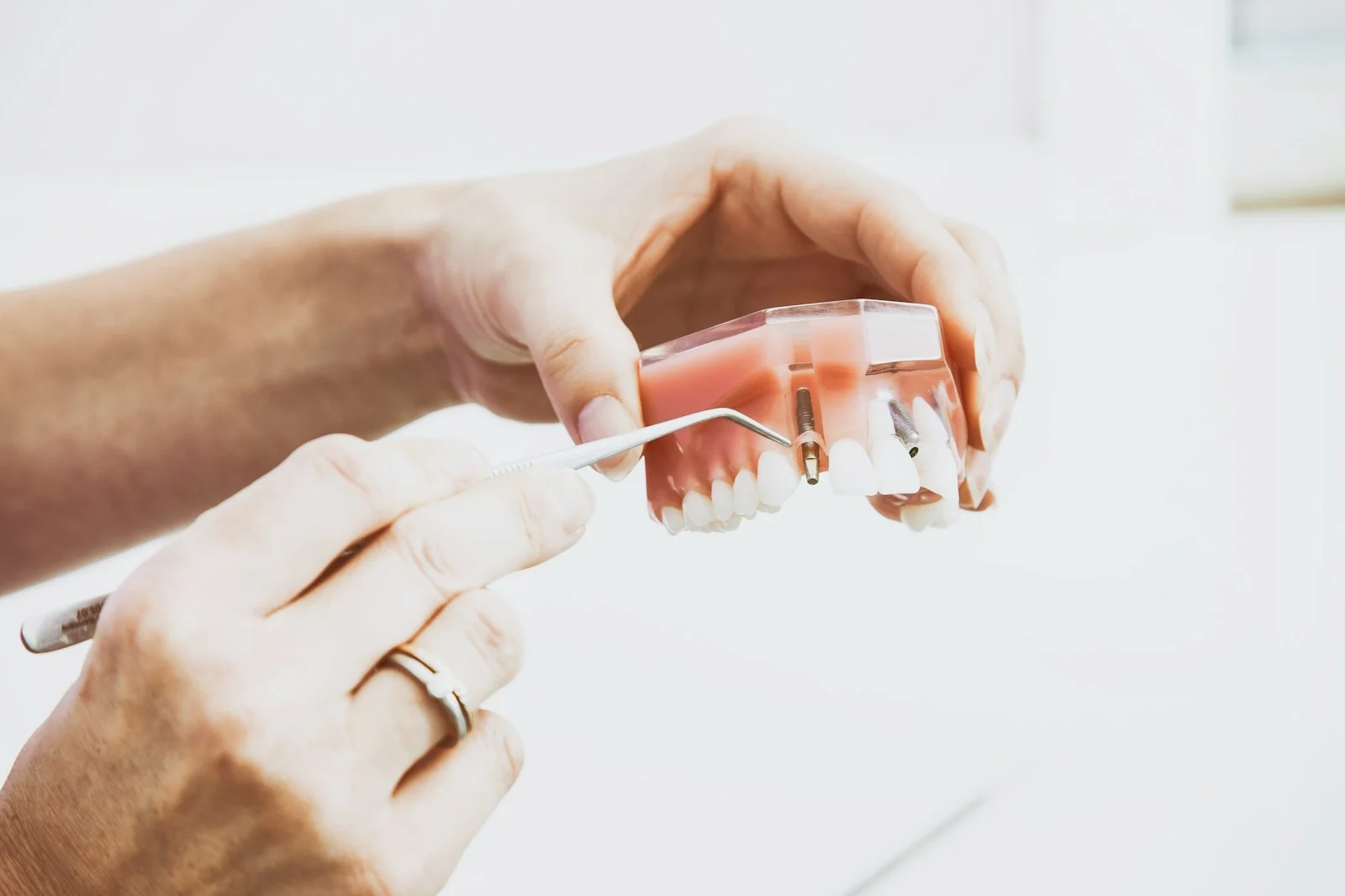
- The implant sits in bone and supports its own crown, so healthy neighbours often need little or no drilling for the replacement itself
- Chewing forces travel into the implant and bone rather than pulling only on the teeth next door
- You can floss on both sides of an implant crown much like a natural tooth, which helps gum health between teeth
- If a neighbour later needs its own filling or crown, the implant tooth is separate and usually stays out of that repair
- Keeping the gap filled reduces the chance of tipping and over-eruption that complicate future care
Protecting the bite, not only the gap
A well-shaped implant crown restores contact points so food does not dive into a black triangle of space. It also shares chewing so one side of the mouth does not become the permanent workhorse. People who have chewed on one side for years sometimes notice jaw fatigue or more wear on that side; replacing the missing tooth can rebalance daily meals.
We still check the whole bite. An implant that sits too high can stress the implant and the opposing tooth. Fine-tuning contacts is part of protecting everything around the new tooth.
When an implant may not be the first choice
If bone is very limited and grafting does not suit your health or preferences, a bridge or partial may serve better. If several neighbouring teeth already need crowns, a bridge can solve multiple problems in one structure. Active gum disease should be calmed before any implant, because inflamed gums threaten the foundation. Smoking and uncontrolled medical conditions also change the conversation. Protecting nearby teeth includes protecting the implant site itself.
Care that keeps the advantage
Brush twice daily and clean between the implant and its neighbours. Attend checkups so we can spot early gum inflammation around the implant collar. A night guard helps if you grind. These habits are how the long-term “protection” promise stays true—not from the titanium alone, but from steady home care.
If you already wear a bridge and it is comfortable, you do not need to replace it simply because implants exist. Reassess when something fails, when a supporting tooth develops trouble, or when you want a different long-term plan.
Compare options with a calm consult
- Fills the gap without filing neighbours for a bridge
- Helps maintain bone in the empty site
- Restores chewing on that side
- Bone volume must be adequate
- Gums need to be healthy
- Medical history is reviewed first
Missing a tooth in Greater Noida and wondering whether an implant would spare your neighbouring teeth? Visit Tooth and Gums or message us on WhatsApp. Dr. Neeraj Chauhan will examine the gap, the bite, and the health of nearby teeth, then explain implant, bridge, and partial paths in everyday language—so you choose protection that fits your mouth and your life.
Want to understand your implant options in Greater Noida? Visit our dental implants page for a detailed overview.