Patients often hear “dental implant” and imagine one appointment and a finished tooth. The truth is kinder and clearer when you see the timeline as a series of steady steps. At Tooth and Gums in Greater Noida, Dr. Neeraj Chauhan (BDS) walks people through what usually happens before, during, and after implant placement—so expectations match biology, not social-media speed.
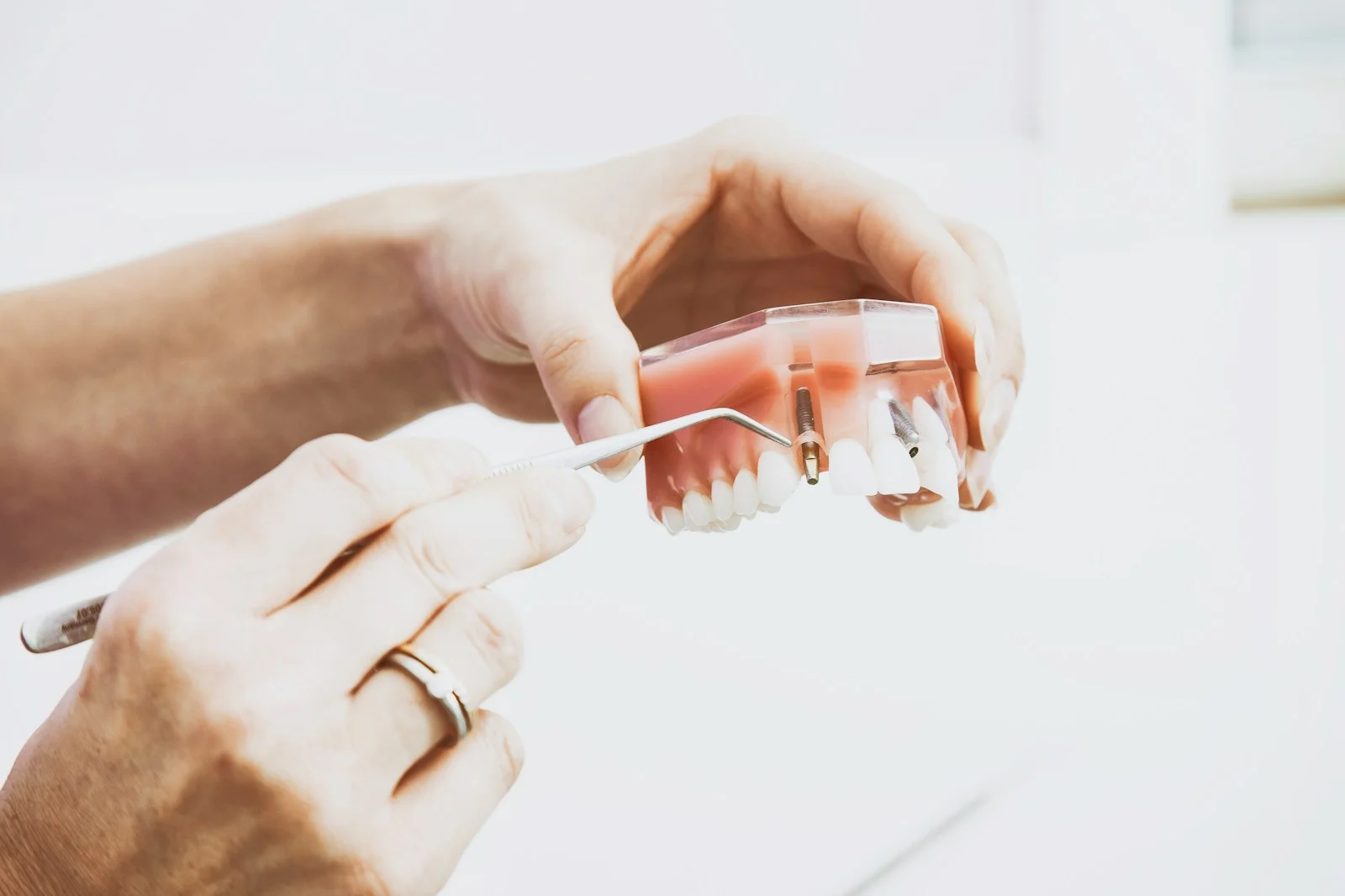
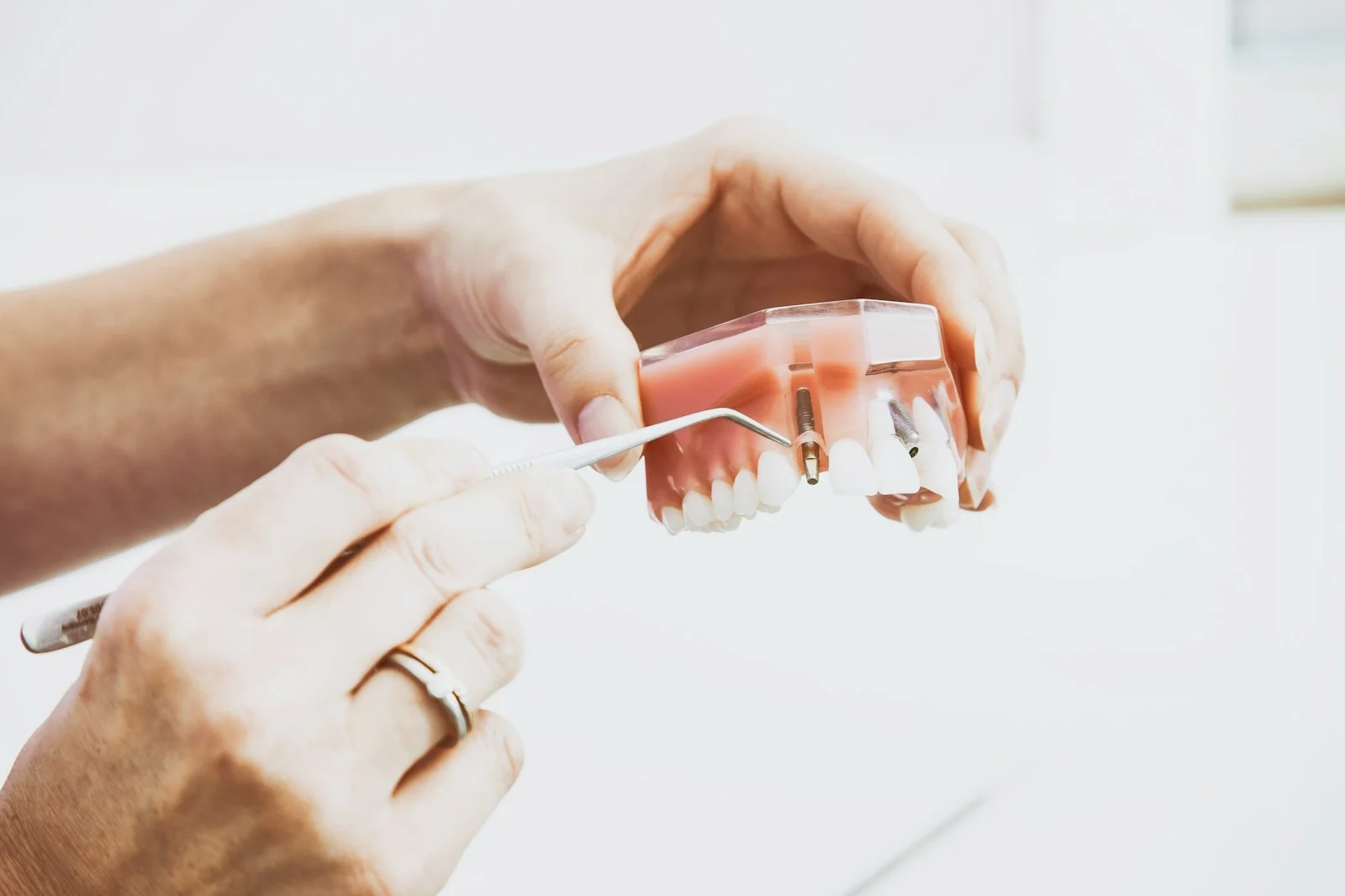
An implant is a small titanium post that sits in the jawbone and later supports a crown, bridge, or denture attachment. Bone needs time to hold that post firmly. Rushing that bond is what we try to avoid, even when everyone understandably wants the gap filled yesterday.
Step one: listening and planning
The first visit is about your story. When was the tooth lost? Does the gum feel comfortable? Do you grind at night? Which medicines do you take? We examine the site, check neighbouring teeth, and often use imaging to judge bone height and width. Not every gap is ready on day one. Sometimes we treat gum inflammation first, or discuss whether a short healing period after an extraction should come before the implant.
You leave this visit with options in plain language: implant versus bridge versus leaving a space for now, plus a rough sense of visits and healing windows. Cost and time deserve honesty up front.
If a tooth still needs to come out
When a failing tooth is still present, extraction may be the start. In selected cases an implant can be placed the same day as removal. In others, the socket needs weeks or a few months to settle, especially if infection was present or bone is thin. We choose based on what we see, not on a one-size slogan.
A temporary tooth—removable or bonded—can often hide the gap for photographs and speech while healing continues. We will say what is realistic for your bite so the temporary does not overload the healing site.
Placement day: what it usually feels like
Implant placement is done with local anaesthesia in most neighbourhood clinic cases. You should feel pressure and vibration more than sharp pain. The visit length depends on whether one implant or several are planned, and whether extra bone support is needed. Afterwards, mild swelling and soreness for a few days is common; we give clear home-care notes and what to avoid while chewing.
Stitches, if used, are reviewed as advised. Soft foods, gentle cleaning around the area, and skipping smoking if you smoke all protect the early healing phase.
The quiet middle: osseointegration
- Bone grows against the implant surface over weeks to a few months, depending on the site and your health
- Upper back teeth often need a longer window than lower front sites because bone density differs
- You may wear a temporary tooth during this phase so you are not left with an open smile
- Check visits confirm the gum is healthy and the implant is stable before we move to the final crown
- Grinding habits may need a night guard later so the new tooth is not overloaded
Uncovering, abutments, and the final tooth
Once the implant is solid, we may place or confirm a small connector called an abutment and take impressions or digital scans for the crown. The lab crafts a tooth shaded to blend with neighbours. A try-in visit lets us check colour, contact with the next tooth, and how you bite. Small adjustments here prevent sore spots later.
When the final crown is fitted, we show you how to clean around the implant—floss threaders, interdental brushes, or other tools suited to the shape. Implants cannot get cavities the way natural teeth do, but the surrounding gum still needs daily care to stay calm.
How long is “the whole thing,” really?
Many straightforward single-tooth cases span a few months from plan to final crown. Complex bone grafting, sinus-related upper back sites, or full-arch plans take longer. Immediate temporary teeth are sometimes possible; immediate final teeth are not the routine promise for every case. We would rather under-promise and heal well than race a timeline that fails.
Your general health matters. Uncontrolled blood sugar, heavy smoking, and poor cleaning slow healing. Sharing those details early helps us plan supportively rather than being surprised mid-way.
Life after the crown
Keep routine checkups. We check the bite, the gum collar around the implant, and the neighbouring teeth. If something feels high when you chew, come in sooner—small tweaks protect both the implant and the opposite tooth.
Ask us for a timeline that fits you
- Planning with exam and imaging
- Placement under local anaesthetic
- Healing, then the final crown
- Soft tissue settles in days to weeks
- Bone integration often takes months
- Temporary teeth can bridge the gap visually
If you are considering an implant in Greater Noida, bring your questions to Tooth and Gums. WhatsApp or book a consultation with Dr. Neeraj Chauhan. We will map a personal sequence—planning, placement, healing, and the final tooth—so you know what each month is for, and what “done” will feel like in daily meals.
Planning an implant consultation in Greater Noida? See our dental implants page to understand what we assess before starting.