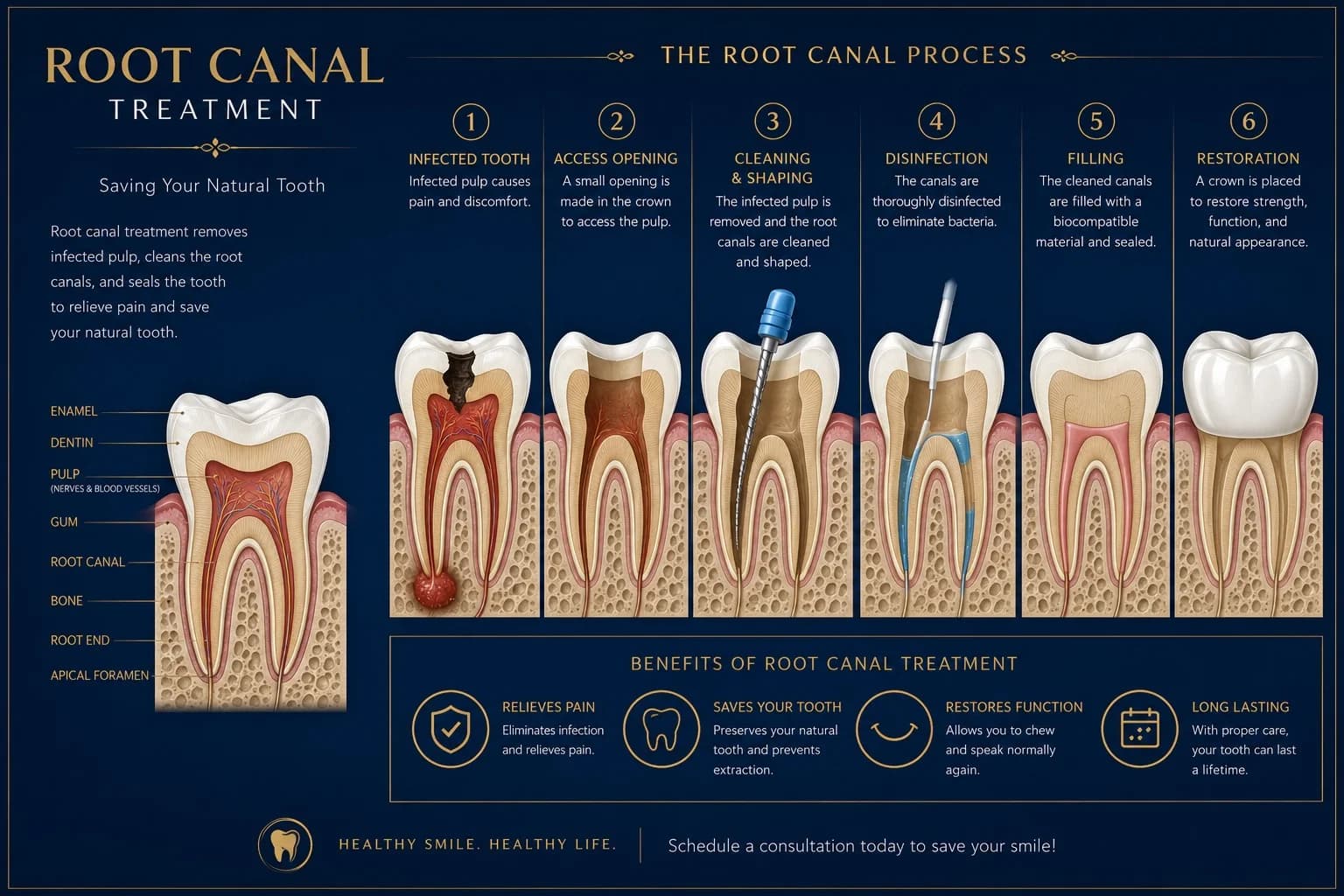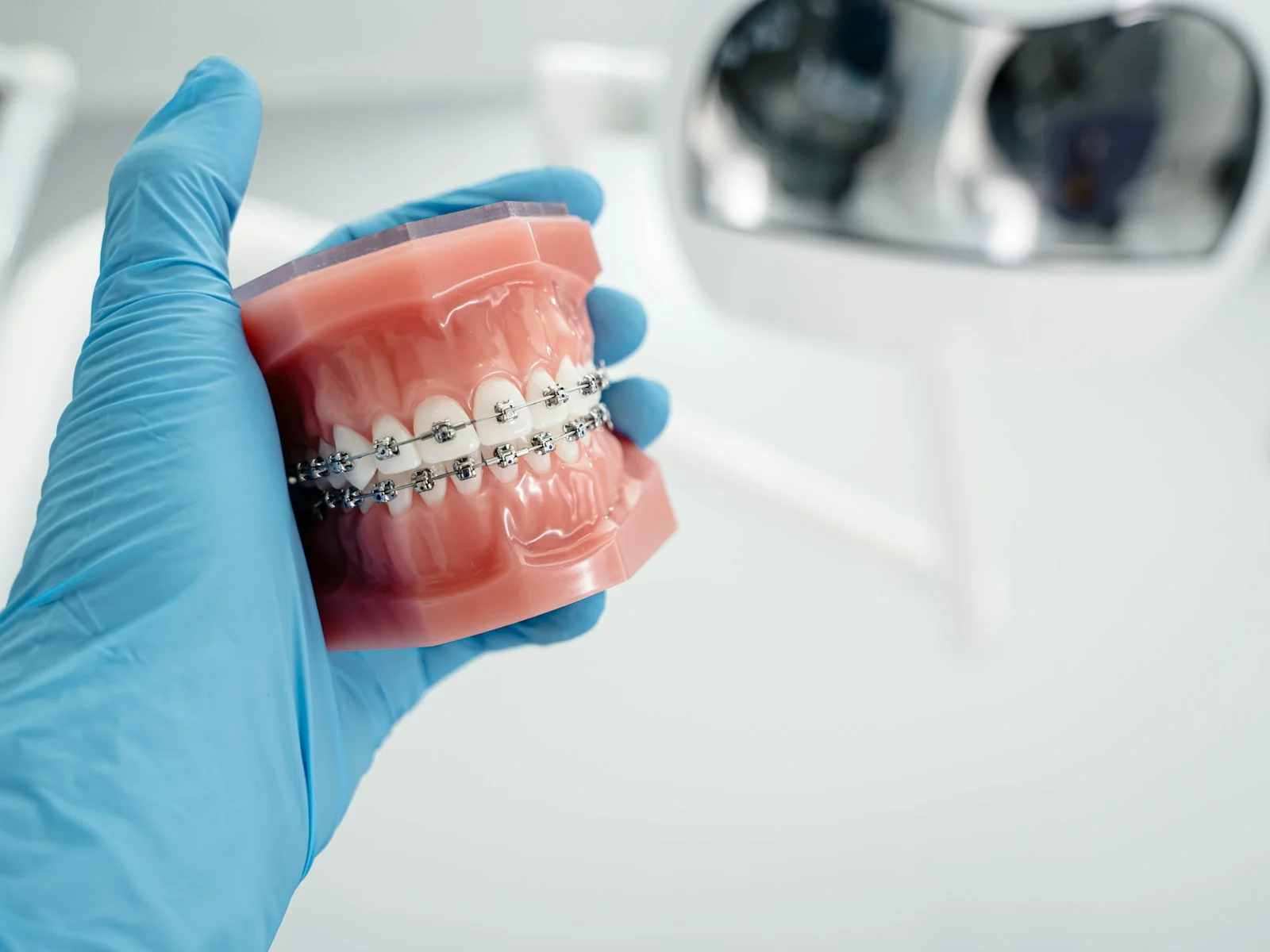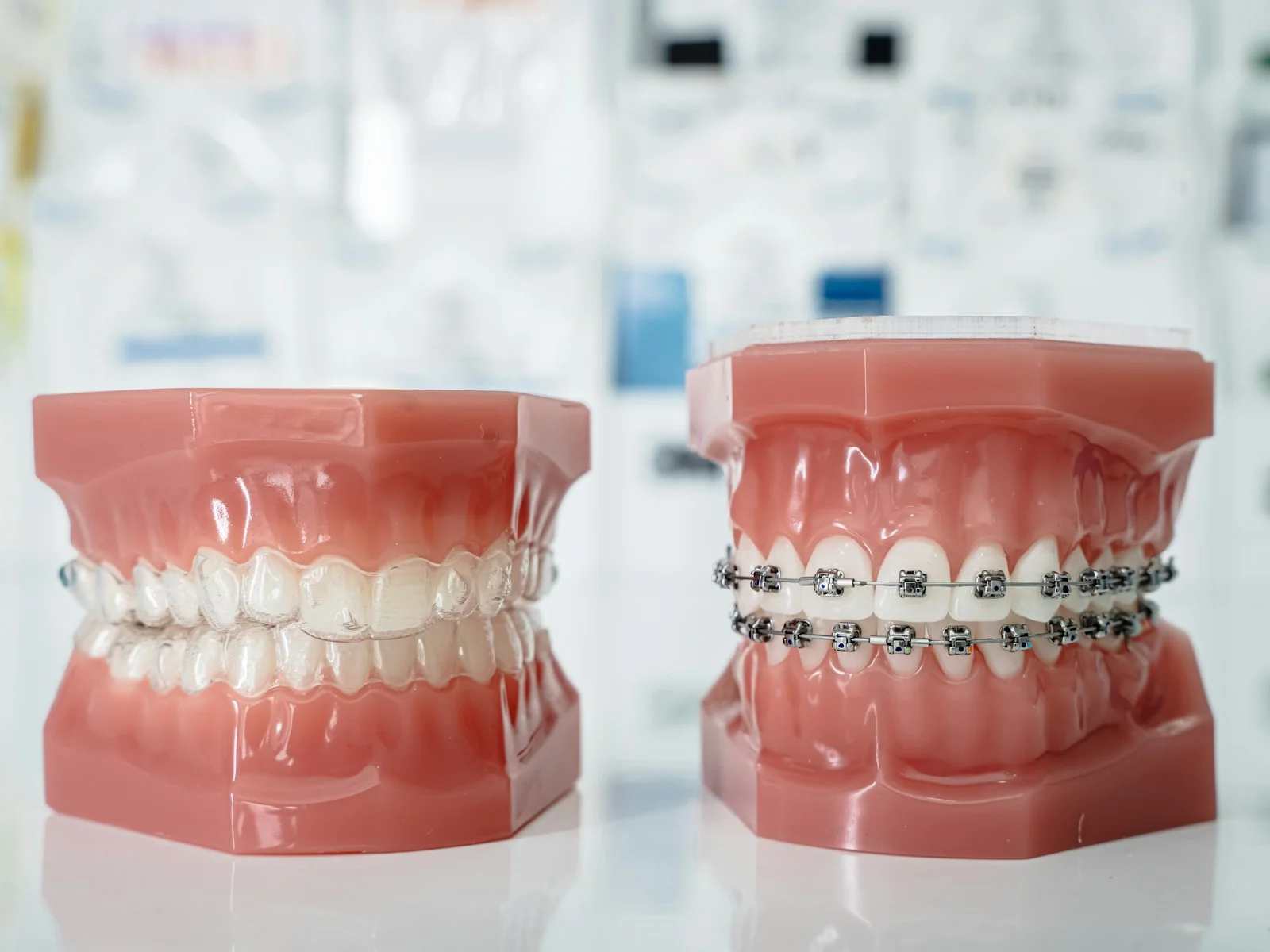
Restorative dentistry is the quiet craft of putting chewing strength and comfort back where decay, cracks, or old work have taken a toll. It is not only about making a tooth look filled. It is about sealing out bacteria, restoring contact with the neighbouring tooth, and giving you a surface you can trust when you bite into everyday food. At Tooth and Gums in Greater Noida, Dr. Neeraj Chauhan (BDS) approaches restorative work as rebuilding — measured, explained, and matched to how damaged the tooth actually is.
Patients sometimes hear “filling,” “inlay,” “onlay,” or “crown” and feel lost in vocabulary. The names describe how much of the tooth we need to replace and how the restoration sits on what remains. Smaller injuries need smaller repairs. Larger fractures or heavily broken-down teeth need coverage that wraps and protects. Choosing the right scale avoids both under-treating a weak tooth and over-treating a small cavity.
What we are trying to restore
A healthy tooth does several jobs at once. It cuts or grinds food. It keeps its neighbours from drifting. It holds the bite height so the jaw joints and muscles do not compensate oddly. It protects the nerve inside with enough dentine and enamel walls. When decay hollows a tooth, or a cusp snaps, one or more of those jobs fail. Restorative care rebuilds the missing walls and contours so the tooth can rejoin the team.
Strength is not only hardness of the material. Strength includes how well the restoration bonds or seats, how cleanly you can clean around its edges, and whether the bite lands evenly. A shiny filling that hits too high can feel “off” every time you close. We check and adjust contacts so your jaw does not have to hunt for a comfortable spot.
Common restorative options in plain words
Fillings repair cavities and small breaks. Tooth-coloured composite lets us blend with natural shade for visible teeth; the material is placed in layers and shaped before hardening with a light. Larger losses may need partial coverage restorations that replace chewing surfaces more fully. Crowns cover the tooth like a thimble when walls are thin, cracks run deep, or a root canal has left the tooth more brittle. Each step up in coverage asks for more preparation and usually more visits, so we climb that ladder only when the tooth’s remaining structure asks for it.
Old metal restorations that are sealed and comfortable do not always need replacement for fashion alone. We replace when margins leak, decay returns, shape harms the gum, or a crack risks growing. Restorative dentistry should solve a problem you can feel or we can see — not invent one.
- Fillings for decay and small fractures when enough tooth wall remains
- Larger bonded or lab-made restorations when a filling would be too wide to trust
- Crowns when a tooth needs full coverage to hold together under bite force
- Replacement of older work when edges leak, decay returns, or cracks spread
- Bite checks so new surfaces meet evenly and muscles stay comfortable
- Home cleaning advice around new margins to protect the repair
How a visit usually unfolds
We numb when treatment would otherwise be uncomfortable, and we wait until you are ready. Decayed or cracked tooth structure is removed carefully. The remaining shape is cleaned and prepared. For a direct filling, material goes in the same visit and is polished. For a crown, we take impressions or a scan, place a temporary if needed, and fit the final piece when it returns from the lab. You will know before we start which path we are on and roughly how many appointments it takes.
If decay is close to the nerve, we discuss sensitivity risks honestly. Sometimes a tooth needs deeper treatment first. Sometimes we place a careful lining and a restoration and monitor. Surprises happen less often when X-rays and clinical tests guide the plan before the drill starts.
Protecting the work you just invested in
New restorations like clean edges. Brush gently along the gumline and clean between teeth so plaque does not sit against margins. Sticky sweets held against a fresh filling are unkind in the first day. If you grind at night, ask about a guard — grinding is a common reason good dentistry chips or loosens early. Avoid using teeth as tools to open packets; front restorations especially dislike that shortcut.
Mild temperature awareness after a deeper filling can linger briefly. Worsening throb, swelling, or a bite that suddenly feels tall should bring you back for a quick adjust or check. Small tweaks early protect both comfort and the restoration’s seal.
- Night guard if you grind
- Regular cleanings to protect margins
- Early review if something feels high
Rebuilding is a partnership
Restorative dentistry works best when diagnosis is honest and home care continues after the chair light switches off. We rebuild what is missing; you keep the edges clean and the bite habits kind. Together that returns everyday strength — sandwiches, salads, chai without worry — which is the point of the work.
- Composite fillings for smaller repairs
- Crowns when walls are too weak
- Bridges or implants for gaps
If a tooth feels weak, a filling looks dark at the edge, or a piece has chipped, book a visit with Dr. Neeraj Chauhan at Tooth and Gums, Greater Noida. A WhatsApp photo of a broken corner can help us triage timing. We will explain whether a simple repair is enough or whether the tooth needs fuller protection — and we will rebuild with clarity, not jargon.