Full-mouth rehabilitation sounds dramatic, as if every tooth must be crowned on a deadline. In a neighbourhood clinic, it usually means something quieter: rebuilding comfort, chewing, and appearance when many teeth are worn, broken, missing, or poorly supported by old dentistry. At Tooth and Gums in Greater Noida, Dr. Neeraj Chauhan (BDS) treats it as a staged plan—not a single marathon day—and only when smaller fixes would leave you chewing on a shaky foundation.
You might be a candidate if meals feel limited, teeth look shorter from grinding, several old bridges are failing together, or your bite has collapsed so the jaw feels tired. You might not need full rehabilitation if one or two teeth are the whole story. Sorting which camp you are in is the first kindness.
What “rehabilitation” actually includes
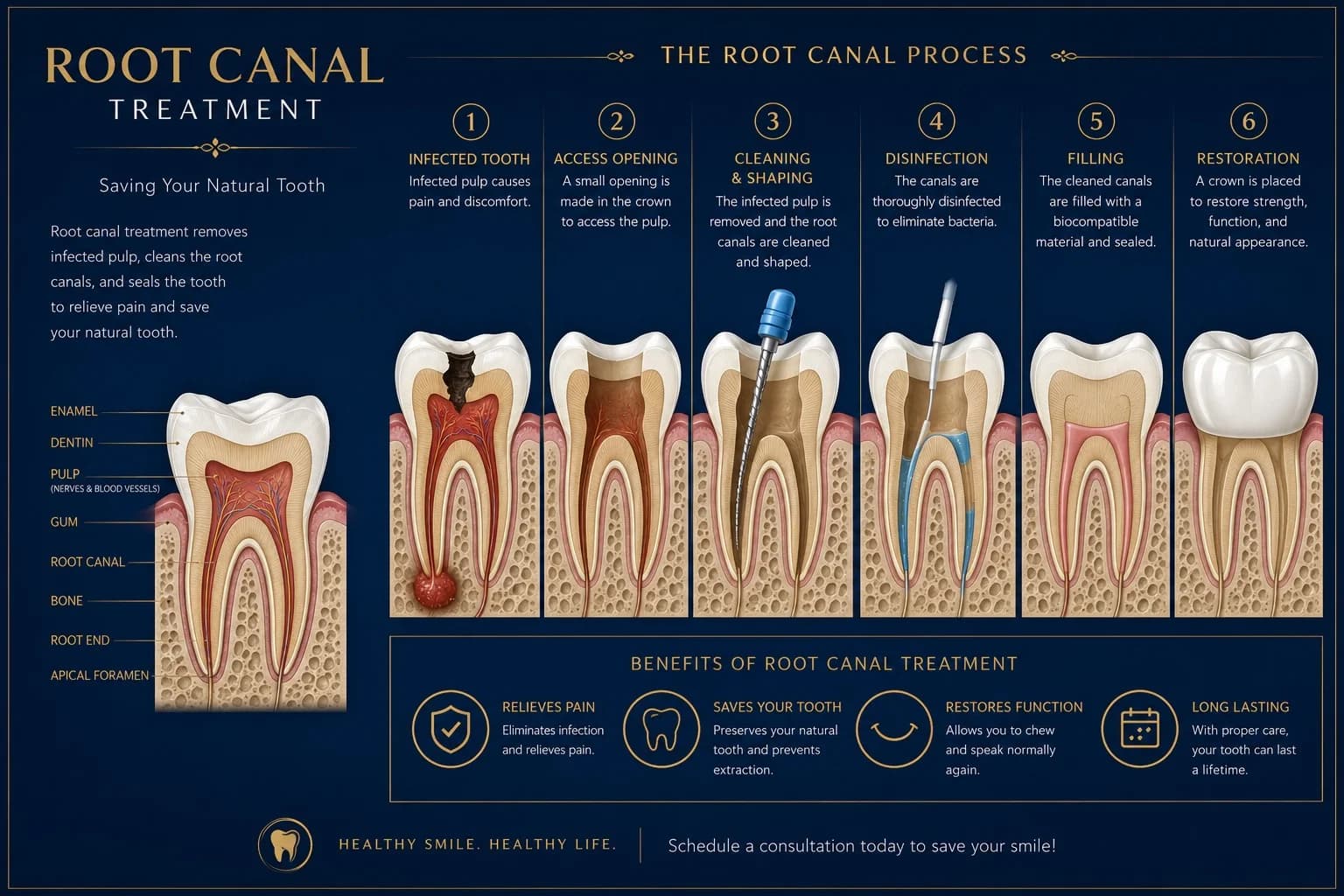
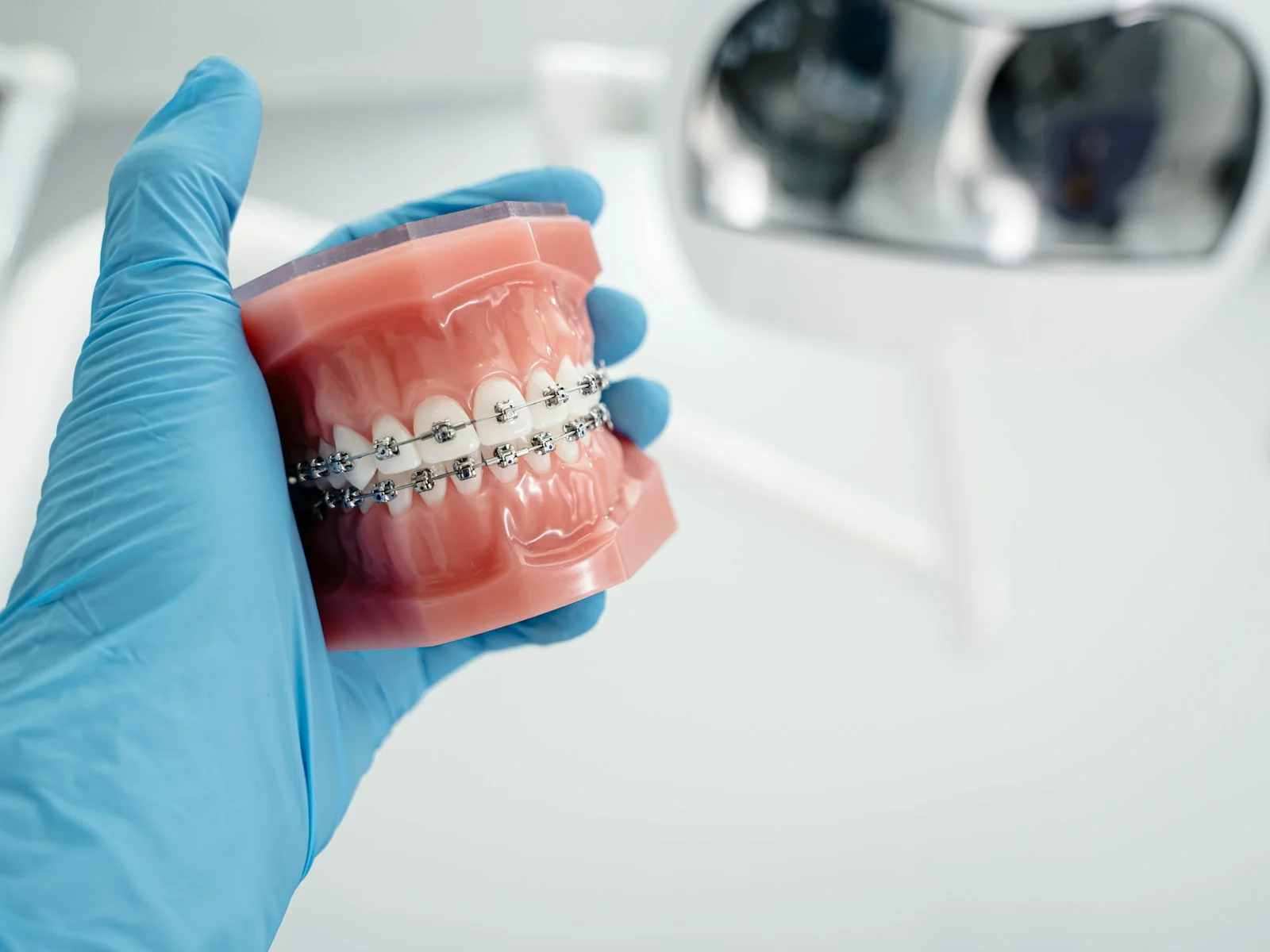
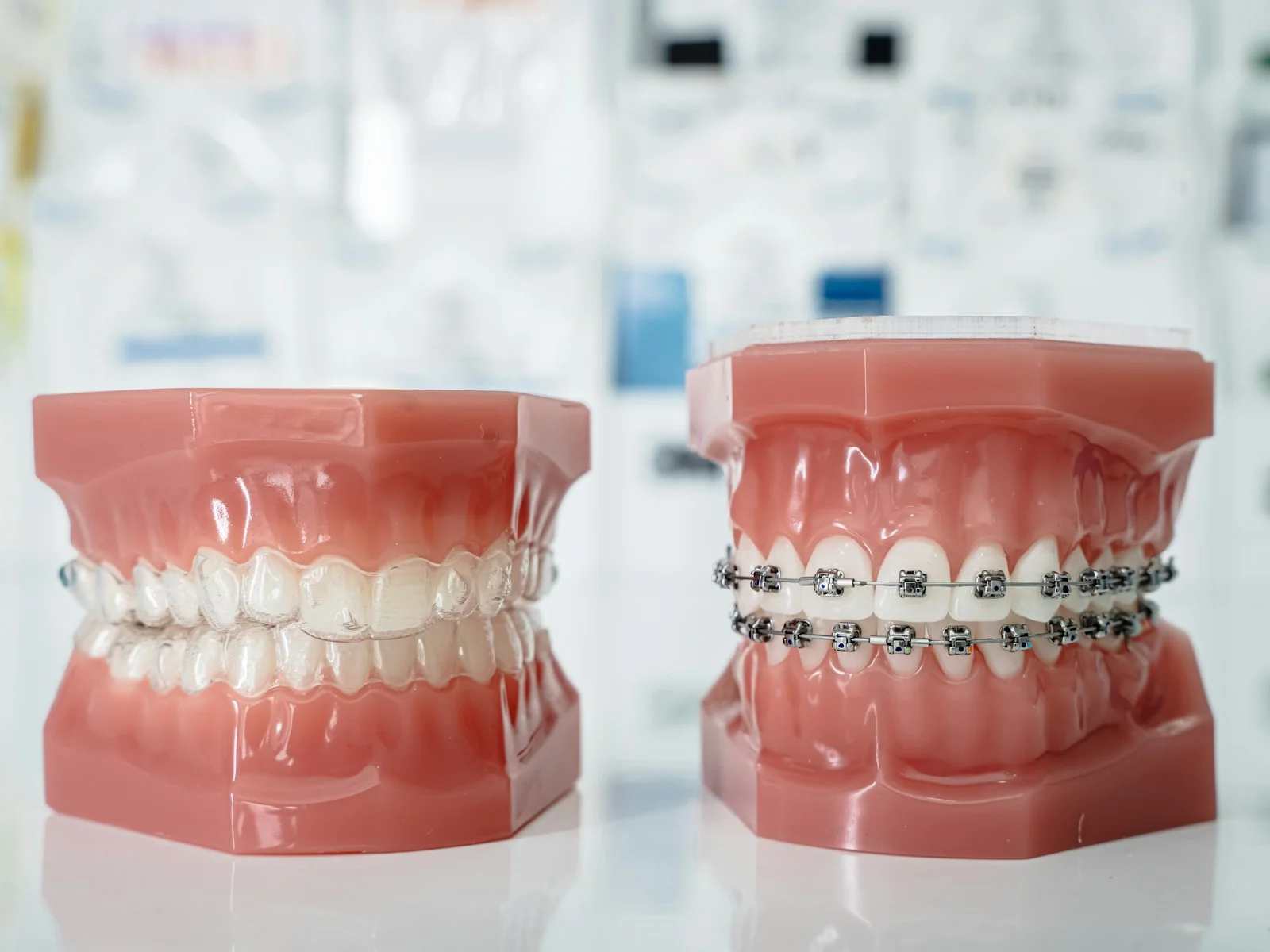
The menu can mix cleanings and gum care, fillings, root canal treatment where needed, crowns, bridges, implants, dentures, and sometimes reshaping or orthodontic alignment so teeth meet more evenly. Not every item appears in every plan. The common thread is a clear sequence: calm the gums and infections first, restore key chewing teeth next, then refine bite and appearance.
Photography, models or scans, and a written outline help you see the journey. We prefer you understand the “why” of each phase before any irreversible drilling begins.
Signs it may make sense
- Widespread wear from grinding or acid, with teeth looking flat and sensitivity rising
- Multiple missing teeth that leave you avoiding whole food groups
- Several failing crowns or bridges that no longer hold a stable bite
- Deep bite problems, jaw fatigue, or teeth that meet only on a few spots
- A mix of loose teeth, gum issues, and broken edges that piecemeal visits keep chasing
- A desire to rebuild function first, with appearance improving as strength returns
Why we stage the work
Doing everything at once sounds efficient until healing, budget, and your stamina enter the room. Staging lets gums settle after cleaning, lets temporary teeth test a new bite height, and spreads cost into clearer milestones. It also lets us pause if a medical issue flares or if you need time to decide on implants versus removable options.
Temporaries are not throwaways in rehabilitation—they are rehearsals. If speech or chewing feels odd at a new bite height, we adjust before porcelain or zirconia becomes permanent.
Bite first, cosmetics second
A beautiful front tooth that hits too hard will fail early. We care about colour and shape, but we care more that back teeth share load and that front teeth guide the jaw smoothly. Sometimes raising a collapsed bite with careful restorations makes the face look less overclosed as a side effect—patients notice they look less “tired” even when that was not the main request.
Whitening or minor bonding might be enough when wear is mild. Full rehabilitation is for when the architecture of the bite needs rebuilding, not when a single chip needs polish.
Health and habit checks before big plans
Gum disease, untreated decay, and dry mouth from medicines should be addressed early in the sequence. Night grinding may need a guard after new restorations so they last. If you smoke, we will talk about healing risks around extractions and implants without lectures—just facts that affect the plan.
Bring a list of priorities: pain-free chewing, fewer food restrictions, a steadier denture, or a smile you are willing to show in photographs. Ranking those helps us avoid overbuilding.
What it is not
It is not a promise of perfection. It is not mandatory for every older adult. It is not something we start without explaining alternatives—such as focusing on a solid lower chewing set first while upper aesthetics wait. Good rehabilitation is consent-rich and reversible where biology allows, irreversible only where you have agreed.
Living through the months of care
Expect several appointments spaced for healing and lab work. Soft-food stretches after surgical steps are temporary. Keep cleaning diligently around temporaries; they collect plaque easily. Message us if a temporary loosens—ignoring it can shift the bite we are trying to stabilise.
When the final restorations are fitted, we schedule reviews to refine contacts and check gums. Longevity comes from that partnership as much as from materials.
Start with a whole-mouth conversation
- Control pain and infection first
- Stabilise gums and hygiene
- Rebuild bite height in planned phases
- Written phases and costs
- Temporary teeth while finals are made
- No rush to crown everything in one week
If chewing has become a daily compromise, visit Tooth and Gums in Greater Noida for a full-mouth assessment. WhatsApp or book with Dr. Neeraj Chauhan, bring any old X-rays or dentures you use, and share what you want to eat again. We will say plainly whether targeted repairs are enough—or whether a staged rehabilitation plan would finally stop the cycle of one emergency at a time.