Many people grind or clench without knowing it. A partner hears a scraping sound at night. You wake with a tired jaw. Your temples ache before breakfast. Teeth look a little flatter than they used to in old photographs. At Tooth and Gums in Greater Noida, Dr. Neeraj Chauhan (BDS) sees this pattern often — not as a rare “problem patient” issue, but as a common response to stress, sleep habits, and how the upper and lower teeth meet. This article explains what night grinding does over time, how we spot it, and when a night guard is worth wearing.
Grinding usually means teeth sliding against each other. Clenching means holding a tight bite without much movement. Both put heavy load on enamel, fillings, crowns, and the jaw joints. Sleep grinding is sneaky because you cannot interrupt it with willpower. Daytime clenching often shows up when you concentrate or drive. Noticing the habit is the first useful step; stopping it completely is rarely realistic, so we focus on protection and comfort.
Signs your teeth or jaw may be under night-time load
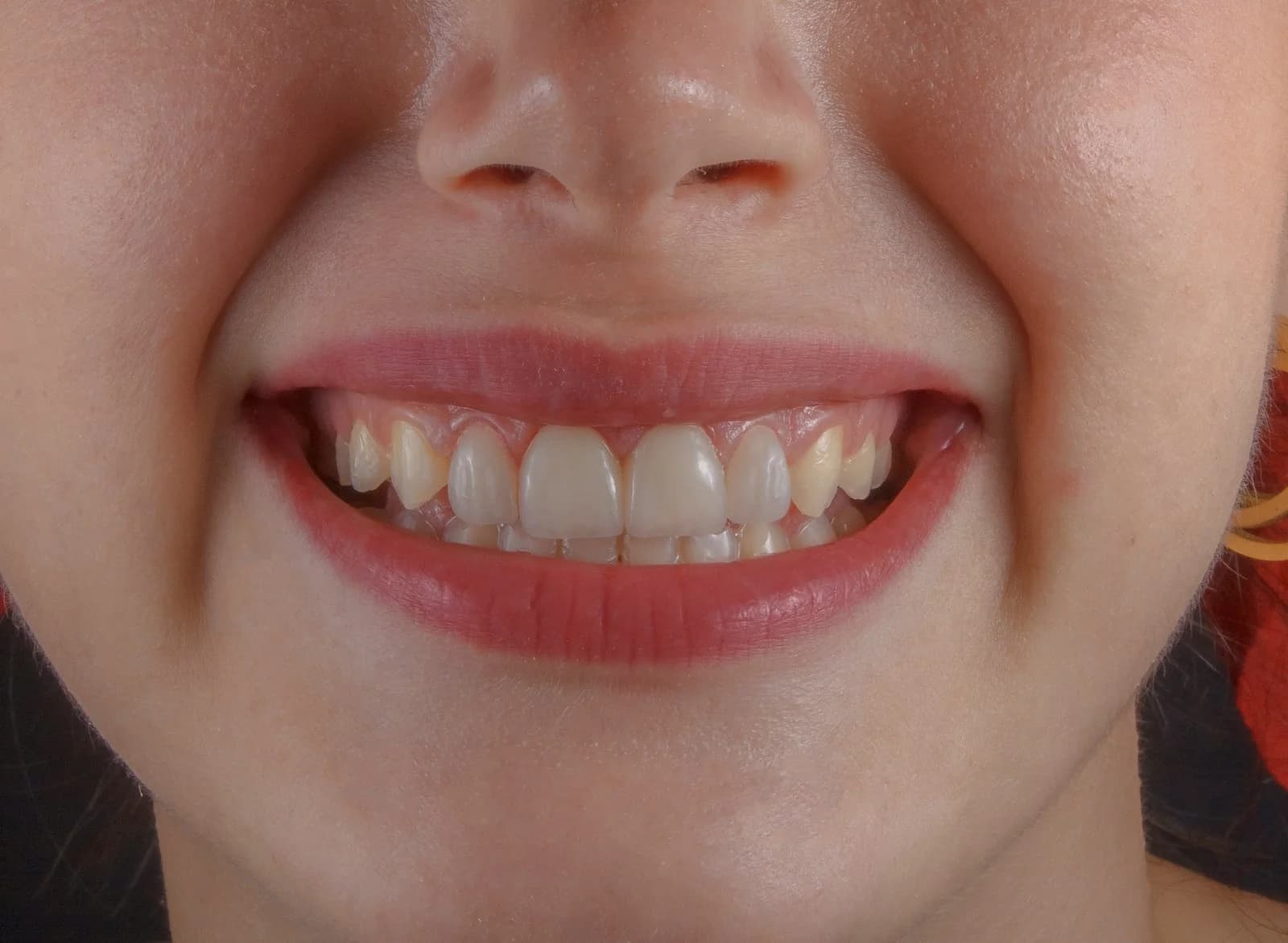
Flattened chewing surfaces, tiny chips on front edges, and teeth that feel sensitive to cold can all point toward grinding. Some people notice cracks in enamel or fillings that wear faster than expected. Jaw muscles may feel sore near the cheeks or temples. Clicking or morning stiffness when you open wide is another clue. Temple headaches sometimes link to overnight muscle tension — though not every headache is dental, and not every chip means you need a guard tomorrow. We look at wear patterns, muscle tenderness, joint comfort, bite contacts, and sleep history together.
What a night guard actually does
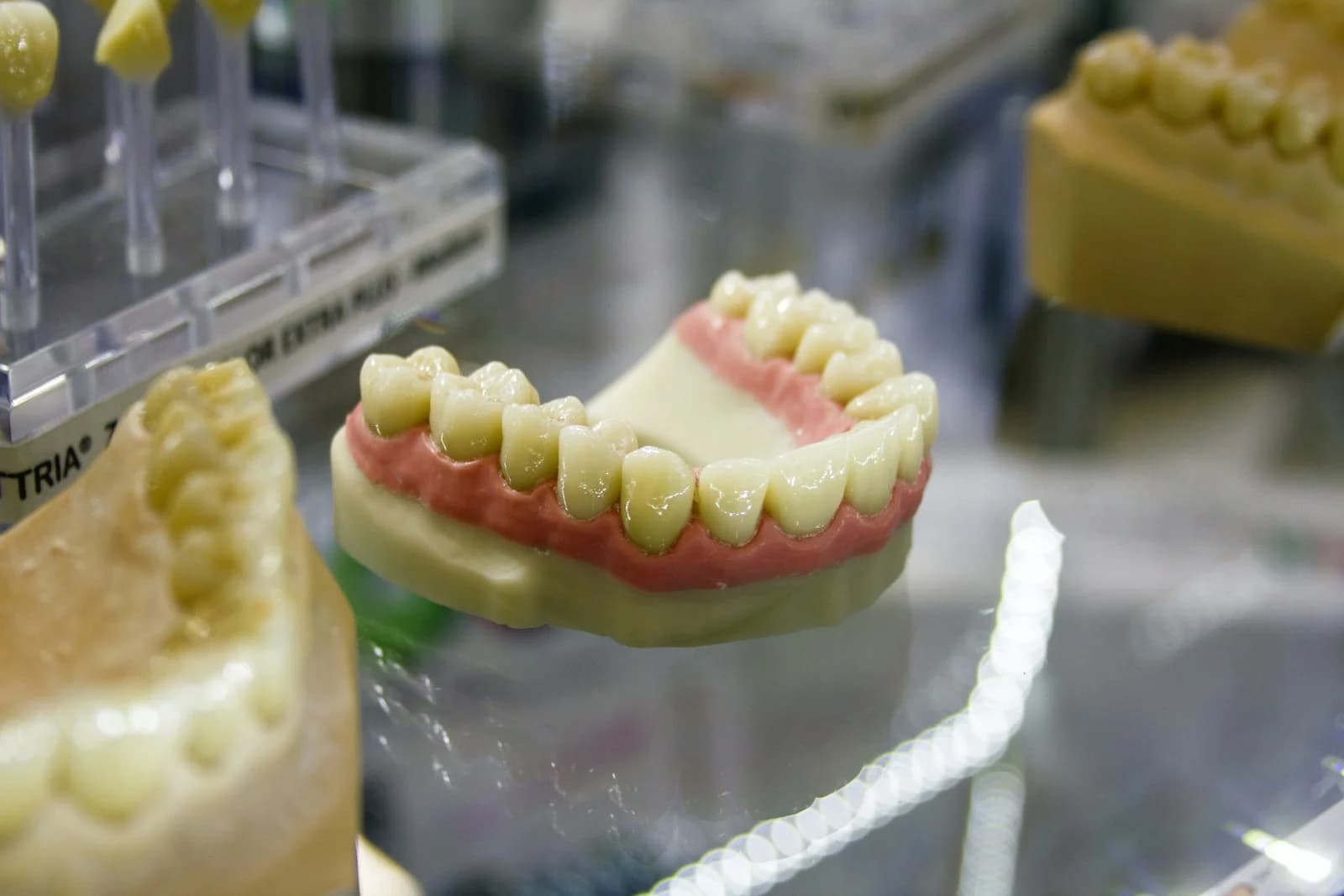
A night guard is a custom cover, usually for the upper or lower teeth, that you wear while sleeping. It does not “cure” grinding. It creates a smooth, protective layer so enamel does not grind directly on enamel, and it can spread biting forces more evenly. Soft pharmacy trays can help for a short trial, but they often feel bulky or fit poorly. A clinic-made guard is shaped from impressions or a scan of your own teeth, so it stays put. Rinse it in the morning, brush gently, store it dry, and keep it away from hot water. Bring it to check-ups so we can read the wear marks.
- Morning jaw fatigue or tightness that eases as the day goes on
- Teeth that look shorter, flatter, or newly chipped at the edges
- Sensitivity that appears without a clear cavity on the surface
- Worn fillings or crowns that keep needing repairs
- A partner who hears grinding sounds during the night
- Temple or cheek muscle soreness when you press lightly
When we suggest a guard — and when we wait
We lean toward a guard when wear is clear, muscles stay sore, or you are about to invest in new restorations that need protection. If grinding is mild and your teeth look stable, we may start with awareness: daytime reminders to unclench, a softer evening routine, and a review in a few months. Stress spikes, exams, new jobs, or family changes often intensify clenching. A guard during those seasons can be a practical shield rather than a lifelong sentence.
Children and teenagers can grind during growth phases. Many outgrow it. We are careful about long-term appliances in growing mouths and prefer monitoring unless damage is obvious. Adults with severe wear may need more than a guard — reshaping sharp edges, repairing cracked teeth, or adjusting how contacts meet — but the guard still protects whatever we rebuild.
Habits that support the guard
Avoid chewing pens, ice, or very hard snacks if your teeth already show wear. Limit late caffeine if it keeps your system “on” at bedtime. A short wind-down — less screen glare, a warm shower, gentle jaw stretches we can show you — helps some people. If you catch yourself clenching at a desk, rest your tongue gently on the roof of the mouth and let the teeth separate. That small reset trains a quieter resting posture.
Pain that wakes you, a jaw that locks, or swelling around a joint deserves a prompt visit rather than waiting for a routine clean. Same for a tooth that suddenly feels tall or cracked after a hard grind night. Early attention keeps small chips from becoming larger fractures.
A calm next step
Night grinding is common in Greater Noida clinics and worldwide. It is not a character flaw, and it does not mean your teeth are doomed. It means your bite and muscles are working harder than they should while you sleep. A well-fitted guard, honest review of wear, and simple daytime habits often make mornings easier and protect the dentistry you already have.
- Spreads night-time force across the arch
- Protects enamel, fillings, and crowns
- Custom fit beats one-size pharmacy trays
- Notice daytime clenching
- Rest the tongue on the palate with teeth apart
- Bring jaw fatigue up at your next visit
If your jaw feels tired, your partner mentions grinding, or you notice new chips, book a check with Dr. Neeraj Chauhan at Tooth and Gums. A WhatsApp message with a photo of a chipped edge or a note about morning headaches is welcome — we can decide together whether a guard, a repair, or simple monitoring fits your situation. Protection works best before enamel is gone; we are happy to help you get there without drama.