A professional cleaning often leaves teeth feeling unusually smooth. Then, a day later, gums may feel tender, cold drinks may tingle, or flossing may still show a little pink. That in-between stretch confuses many patients. At Tooth and Gums in Greater Noida, Dr. Neeraj Chauhan (BDS) likes to set expectations before you leave the chair: mild tenderness can be normal as inflamed tissue settles, and a few calm habits help gums recover without drama. This note is your after-cleaning companion — practical, gentle, and free of scare language.
Scaling removes tartar that was irritating the gum edge. Once that rough collar is gone, tissue can start to quiet down. Quiet does not always mean instant comfort. Blood flow changes, the gum margin reshapes slightly, and newly exposed root surfaces near recession can feel the temperature of water more clearly. Knowing why these sensations happen makes them easier to ride out.
The first forty-eight hours
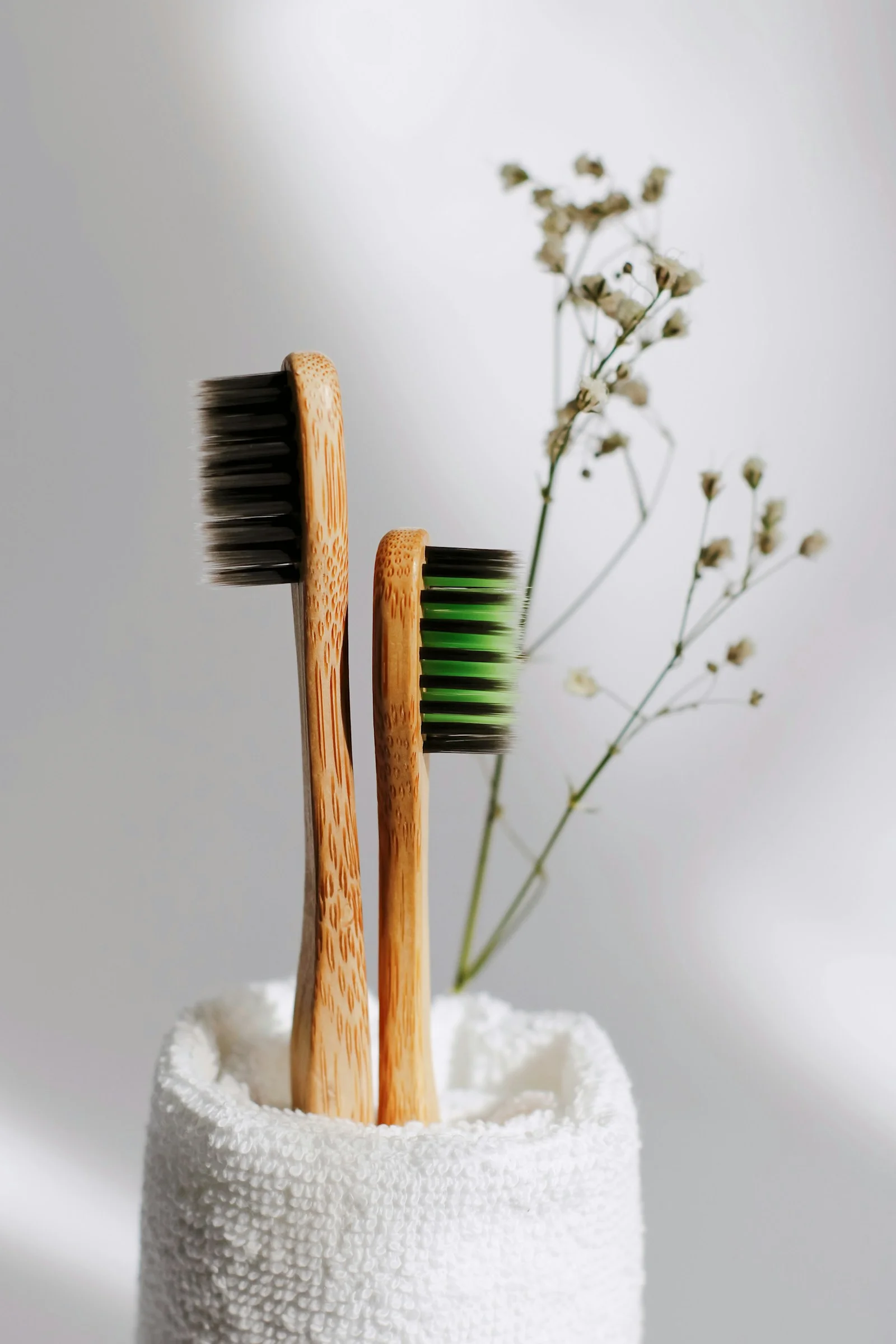
Keep brushing, but switch to a soft brush and light pressure. Hard scrubbing on tender gums delays calm. Use a fluoride toothpaste; if cold sensitivity is noticeable, a desensitising paste used consistently often helps within days to a couple of weeks. Spit after brushing; you do not need a fierce rinse that strips every bit of paste away immediately.
Clean between teeth even if you see a little blood. Stopping interdental cleaning because of pink paste allows plaque to sit again in the exact places that were inflamed. Be thorough and kind rather than aggressive. Warm salt water rinses — a gentle sip and swish, not a forceful gargle — can soothe for some people in the first evenings.
Prefer softer foods if chewing feels sensitive: dal, soft rice, eggs, yoghurt, ripe fruit. You do not need a liquid diet. Simply avoid attacking very hard snacks on the first night if your gums feel bruised. Stay hydrated. If you smoke, cutting back in the days after cleaning supports healing; smoke irritates tissue that is trying to settle.
Sensitivity that shows up after tartar leaves
Tartar can act like a rough coat. When it is removed, cooler air and water reach areas that were insulated. This is especially common near the gumline on canines and premolars. Sensitivity toothpaste, avoiding extreme ice-cold gulps for a short period, and not abandoning brushing are the usual trio. If a single tooth screams in a sharp, lasting way — different from a mild zing — contact us; that pattern can mean something else needs checking.
- Brush gently with soft bristles twice a day, especially along the gumline
- Keep flossing or interdental brushes going even if you see light pink
- Consider a desensitising toothpaste if cold air or water tingles
- Choose kinder textures for a day or two if chewing feels sore
- Use warm salt rinses for comfort if they suit you
- Message the clinic if swelling grows, pain worsens sharply, or fever appears
What healthy settling looks like
Bleeding should trend downward over the following week as home care continues. Gums often look less puffy. Breath may improve because stagnant deposits are gone. Spaces might look a little more open if swollen tissue has shrunk — that can feel unfamiliar, yet it often means inflammation is reducing. Teeth should not feel newly loose from a routine clean; if something feels mobile in a new way, tell us promptly.
Stain reduction depends on how deep the colour sat. Surface tea and coffee marks often lighten with polish. Intrinsic shade inside the tooth will not flip overnight. If whitening is a separate goal, we can discuss that later once gums are comfortable.
Habits that keep the calm going
The cleaning bought you a cleaner starting line. Daily plaque control keeps you there. Angle bristles toward the gum edge and sweep away, rather than sawing sideways. Size interdental brushes so they fit without force. If your brush head is splayed, replace it. Night grinding can irritate muscles and sometimes teeth after a clean; mention morning jaw fatigue so we can check whether a guard belongs in your plan.
Set a recall that matches how fast you form tartar. Some patients do well every six months; others need a shorter gap. Coming back before deposits become thick again means gentler visits and happier gums. Prevention is quieter than repair, and quieter usually feels better.
When to call rather than wait
Mild tenderness fading day by day is expected for many. Increasing swelling, throbbing pain, pus, fever, or bleeding that stays heavy deserves a call or WhatsApp to Tooth and Gums. Same if a temporary gap feeling turns into food packing that you cannot manage, or if a tooth remains extremely sensitive beyond a couple of weeks despite soft care.
- Keep brushing even if gums spot lightly
- Use a soft brush and advised paste
- Skip very spicy food for a day if sore
- Bleeding that increases instead of settling
- New swelling
- A rough spot that catches your tongue
You do not need to be stoic. A short message with what you feel and when it started helps us advise whether home care is enough or whether you should come in. Dr. Neeraj Chauhan and the team would rather hear from you early than have you worry alone. After a cleaning, the goal is simple: smoother teeth, calmer gums, and a home routine you can keep. We are here in Greater Noida to help that settle gently.