Dentures work best when they feel like a quiet part of your day, not a foreign object you manage every hour. Fit, bite, and appearance all matter, and none of them happen by accident. At Tooth and Gums in Greater Noida, we take time over impressions, try-ins, and adjustments so your denture supports eating and speaking without constant awareness. I am Dr. Neeraj Chauhan, BDS, and this is how we approach dentures that feel natural in ordinary life.
Whether you need a full set or a partial that fills a few gaps, the aim is the same: stable contact with the gums, teeth that suit your face, and a bite that does not clack or slip when you smile. Perfect “young celebrity” teeth are rarely the goal. Comfortable teeth that look like they belong to you usually are.
Full dentures and partial dentures
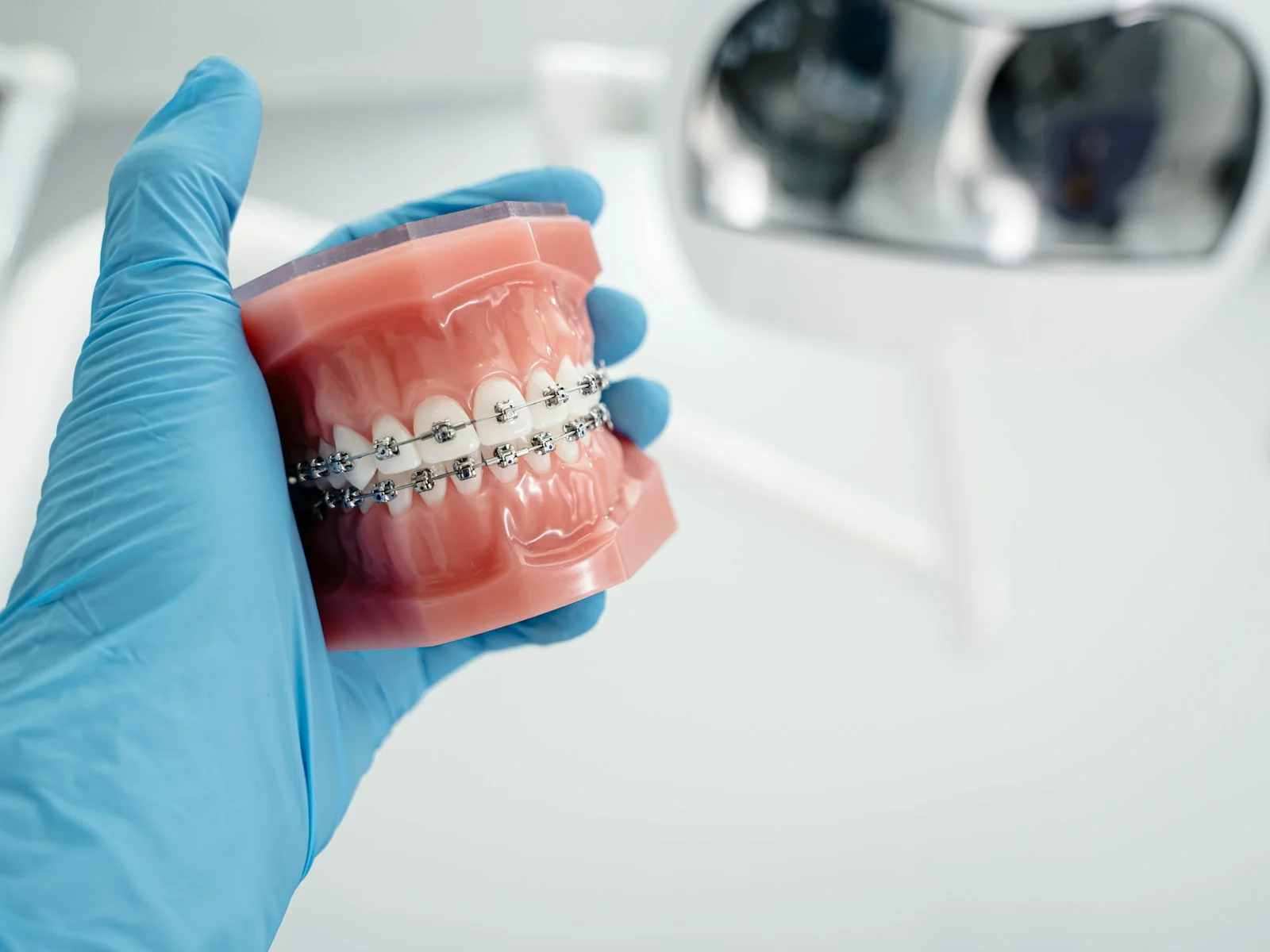
A full denture replaces all teeth on one jaw and rests on the gum ridge. A partial denture replaces selected teeth and may use small clasps on remaining natural teeth for support. Partials help when some strong teeth remain; full dentures help when a jaw no longer has teeth to anchor bridges or when implants are not the path you choose right now.
We also talk about implant-supported options when bone and budget allow. Even two well-placed implants can steady a lower denture that would otherwise move when you talk. Not every patient needs that step on day one. Many start with a conventional denture and revisit stability later.
How we build the fit
Good dentures begin with healthy gums. If extractions are recent, we may wait for early healing or make an immediate denture that is refined later. Precise impressions capture the shape of your ridges and the way your cheeks and tongue move. Bite records tell us how your jaws meet so the teeth are not too tall or too flat.
- Examine ridges, remaining teeth, and jaw joints
- Take impressions and record how your bite comes together
- Choose tooth shade and shape that suit your face
- Try a wax version in the mouth before final processing
- Adjust pressure spots after you start wearing the finished denture
The try-in visit is valuable. You can see the tooth setup, check your smile line, and say if something feels too showy or too short. Changes are easy in wax and harder after the denture is processed, so we encourage honest feedback at that stage.
The first weeks of wearing them
New dentures ask your cheeks, lips, and tongue to learn new positions. Mild sore spots are common and usually improve after we ease the acrylic in those areas. Speech may feel odd for a short time; reading aloud at home helps your tongue adapt. Start with soft foods cut into small pieces, and chew on both sides so the denture does not tip.
Adhesive can be a helper, not a hiding place for a poor fit. If you need thick layers of paste just to get through breakfast, we should review the denture base or bite. Lower full dentures especially need patience because the tongue and floor of the mouth are always moving. Steady improvement over two to three weeks is a good sign.
Care that keeps them comfortable
Remove dentures at night unless we have told you otherwise for a short settling period. Clean them with a soft brush and denture cleanser or mild soap—not abrasive toothpaste that scratches the surface. Rinse after meals. Leave them in clean water or the soaking solution we recommend so they do not dry and warp.
Your gums still need care. Brush the ridges and any remaining teeth gently. See us if red patches, burning, or persistent ulcers appear. Ill-fitting dentures can irritate tissue quietly for months, and small relines often restore comfort without making a whole new set.
When a reline or remake is wiser
Gum ridges change shape over the years, especially in the first months after extractions. A denture that once hugged well can loosen. Relining refreshes the fitting surface. If teeth are worn flat, cracked, or stained beyond polite cleaning, a remake may serve you better. We would rather adjust early than watch you avoid meals.
- Stability when you speak and chew
- Pressure spots on the gums
- How upper and lower teeth meet
- Expect a few adjustment visits
- Practice speaking aloud at home
- Tell us early about rubbing sores
If your current denture slips, clicks, or makes you hesitant to laugh, come in for a calm review. At Tooth and Gums in Sector 16B we can assess fit, discuss partial versus full options, and plan try-ins around your routine. WhatsApp or call us when you are ready to make chewing feel ordinary again.