Crowns and bridges sound like construction terms, which is not far from the truth. In dentistry they are simply ways to rebuild teeth that are too damaged for a regular filling, or to replace a missing tooth by using the neighbours for support. At Tooth and Gums in Greater Noida, I explain both options in everyday language so you know what stays in your mouth, what we prepare, and how long the work usually takes. I am Dr. Neeraj Chauhan, BDS, and this is the version I share in the chair.
A crown covers one tooth completely, like a custom cap. A bridge replaces one or more missing teeth by linking artificial teeth to crowns on the teeth beside the gap. Neither is a fashion accessory. Both exist to restore chewing, protect what is left of a tooth, and keep your smile looking even so you do not keep noticing an empty space every time you speak.
When a crown makes sense
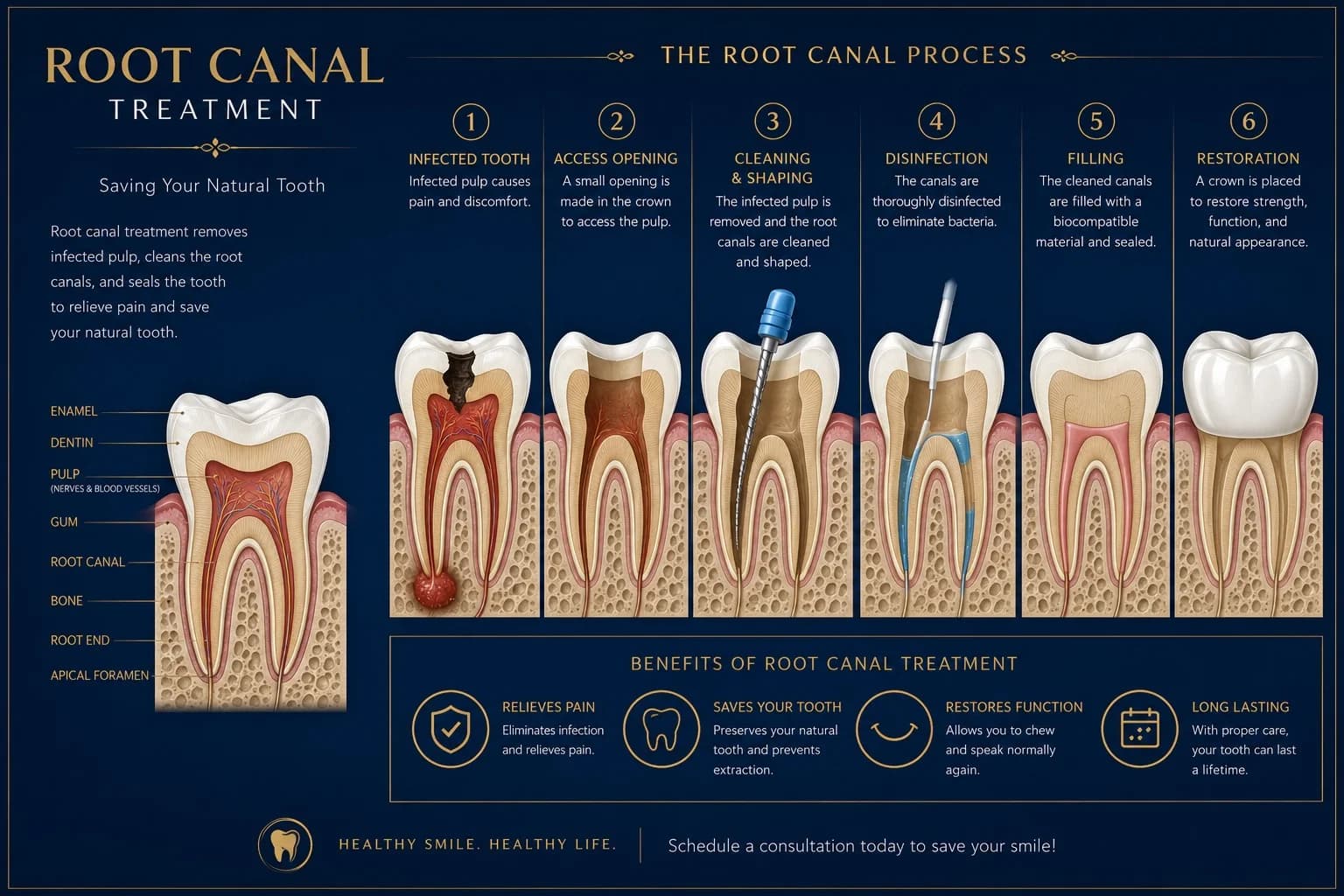
We suggest a crown when a large filling would leave thin walls that crack easily, after a root canal on a back tooth, or when a tooth is broken, heavily worn, or discoloured in a way bonding cannot fix well. The crown hugs the tooth, spreads biting forces, and seals the surface against new decay if the margins stay clean.
Materials vary. Some crowns are metal-ceramic, some are full ceramic for a more natural look in the smile zone, and some are chosen for strength on molars that grind food all day. We match the choice to the tooth’s job, your bite, and how visible the tooth is when you talk and laugh. There is no single “best” material for every mouth.
How we prepare a tooth for a crown
After numbing, we gently reshape the tooth so the future crown has room and a clear edge near the gum. If the tooth is short or broken down, we may build a core first so there is enough solid structure to hold the crown. Then we take an impression or a digital scan and place a temporary crown so you can eat carefully and look presentable while the lab work is made.
- Examine the tooth, bite, and supporting bone
- Shape the tooth and build a core if needed
- Record the shape with an impression or scan
- Wear a temporary crown for a short period
- Try in and cement the final crown when it fits well
At the fit appointment we check colour, contact with neighbouring teeth, and how your bite meets. Small adjustments are normal. Once everything feels right, we cement the crown and show you how to clean around the margin with floss or an interdental brush. A crown is not immune to gum problems, so daily cleaning still matters.
What a bridge actually does
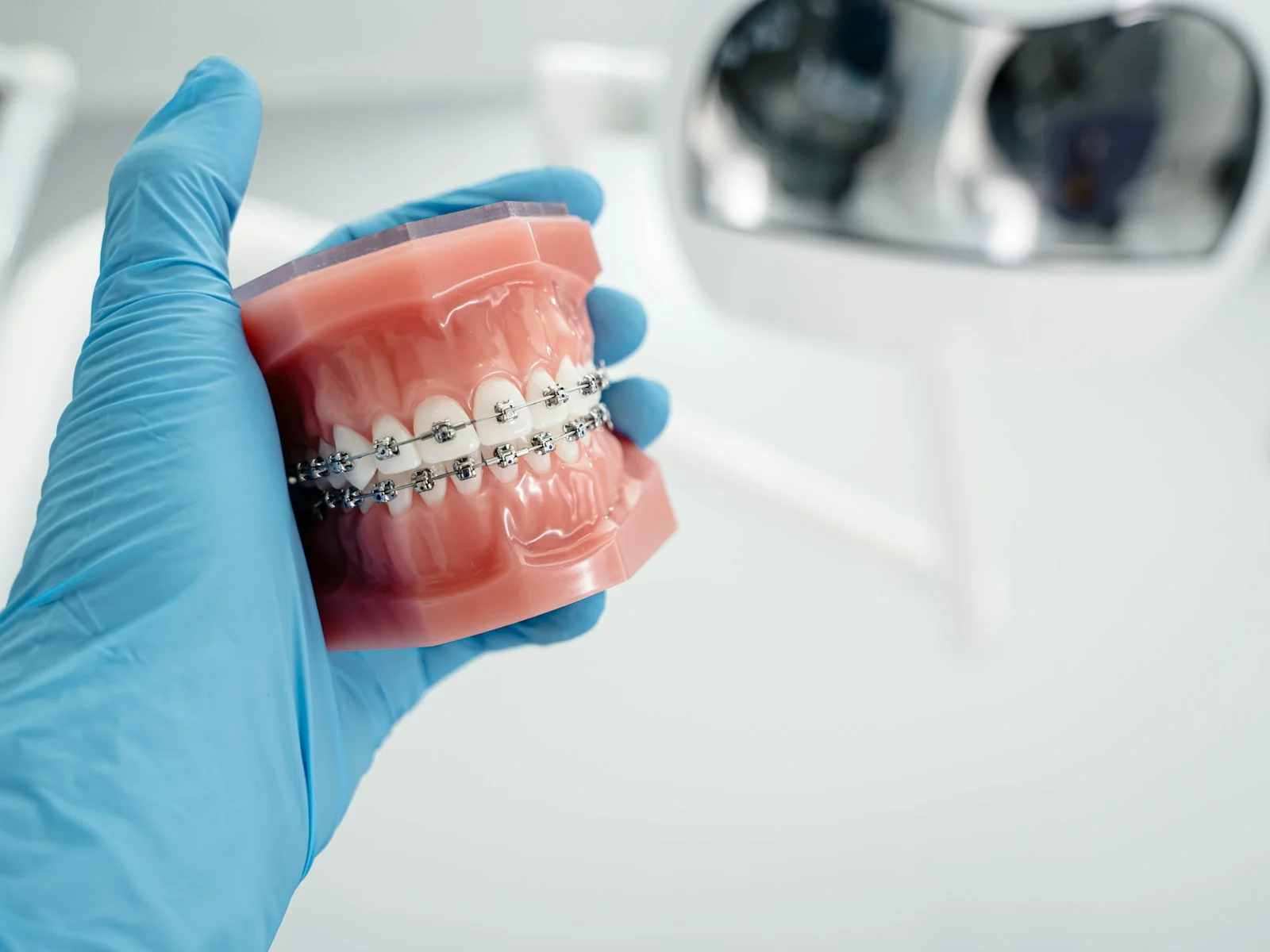
When a tooth is missing, the teeth on either side of the gap can be prepared for crowns that hold a false tooth in the middle. That false tooth sits on the gum without a root of its own. Bridges are useful when implants are not suitable for medical, anatomical, or budget reasons, or when you want a fixed replacement that does not come out at night.
The supporting teeth must be healthy enough to carry the extra load. If those teeth already need crowns, a bridge can solve two problems at once. If they are pristine, we talk carefully about whether shaping them is worth it compared with an implant or a partial denture. Honest trade-offs help you choose without pressure.
Living with crowns and bridges day to day
Treat them like natural teeth: brush twice daily, clean under and around the bridge with floss threaders or special brushes, and avoid using them to open packets or crack hard shells. Sticky sweets can tug at temporary cement; very hard ice or bones can chip ceramic. If a temporary crown loosens, keep it safe and contact us rather than leaving the prepared tooth uncovered.
Sensitivity after preparation usually fades. Gum tenderness around a new margin often settles within a few days. Persistent bite pain means we should recheck the high spots. We would rather adjust early than have you favour one side of the mouth for weeks.
How long they last, in real terms
Lifespan depends on your bite, grinding habits, sugar intake, and cleaning. Many crowns and bridges serve well for years when the foundations stay healthy. They are not lifetime guarantees, and that is fine to say out loud. Regular check-ups let us catch a rough margin, early decay at the edge, or a loose joint before a small issue becomes a remake.
- Shade match to neighbouring teeth
- Preparation and precise scan or impression
- Temporary cover while the lab works
- Floss carefully around crown margins
- Clean under bridge pontics daily
- Avoid opening packets with your teeth
If you are deciding between a large filling, a crown, a bridge, or another replacement option, bring your questions to the clinic. We can look at your X-rays together, explain what each choice protects, and map visits around your schedule. Message Tooth and Gums on WhatsApp or call us in Sector 16B, Greater Noida, and we will help you plan the next step calmly.