When you sit in a dental chair, most of what keeps you safe happens quietly in the background. You see the smile, the conversation, and the treatment plan. What you do not always see is how instruments are cleaned, how surfaces are wiped between patients, and why we ask for an X-ray only when it will actually change what we do next. At Tooth and Gums in Greater Noida, Dr. Neeraj Chauhan (BDS) believes those quiet habits matter as much as the filling or cleaning itself. This note walks you through how digital X-rays and sterilisation work in our neighbourhood clinic, in plain language, so you can ask better questions and feel settled before your visit.
None of this is meant to sound technical. Think of it as the same care you would expect from a kitchen that washes utensils properly. Dentistry is hands-on work. Clear images and clean instruments are the foundation. When those two pieces are steady, advice and treatment become clearer for both of us.
Why digital X-rays help us explain, not just diagnose
Digital sensors capture an image that appears on a screen within moments. That speed matters because you can look at the same picture we are looking at. A dark spot between teeth, a root tip that looks irregular, or bone height around a tooth becomes something we can point to together. You leave with understanding, not only a verbal summary you might forget on the way home.
Digital systems also use lower radiation than traditional film in most everyday dental settings. We still take X-rays only when they add useful information. If a visual check and your history are enough, we say so. If something is hidden between teeth, under an old filling, or around a root, an image can prevent guesswork. A careful X-ray sits in the middle: enough information to plan calmly. Frequency depends on your risk, not on a calendar alone — and for children we use the same rule, with clear explanations and protection when appropriate.
- Taken only when they change diagnosis or plan
- Shown on screen so you can see the finding
- Stored for comparison at later visits
What sterilisation looks like behind the scenes
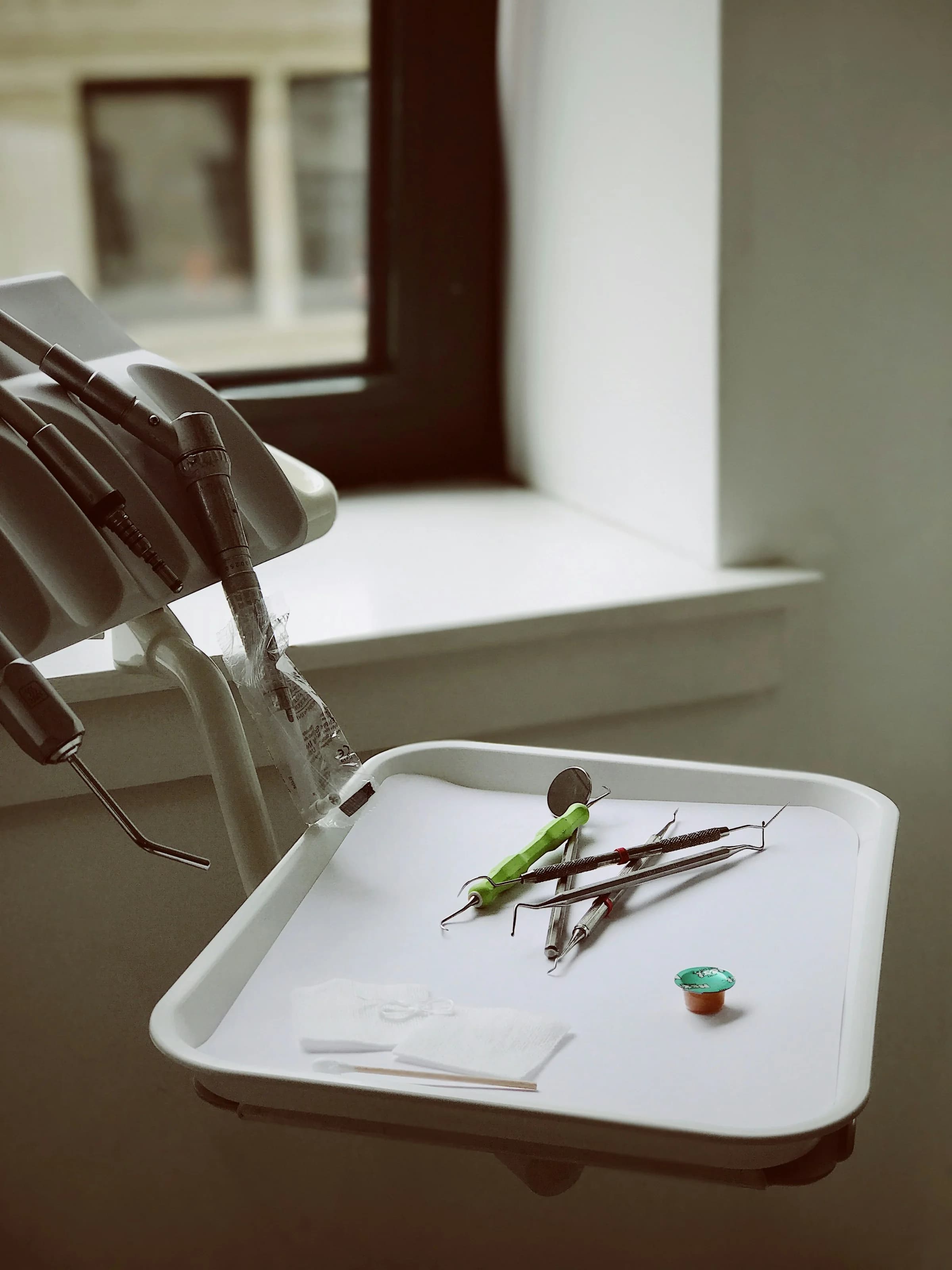
Instruments that touch your mouth go through a clear sequence. First they are cleaned of visible debris. Then they are packaged and run through a steriliser that uses heat and pressure to kill germs that ordinary washing cannot remove. Packs stay sealed until we open them for your appointment. That “crack” of a fresh pack is a small sound, but it tells you the set was protected after sterilisation, not left open on a tray all morning.
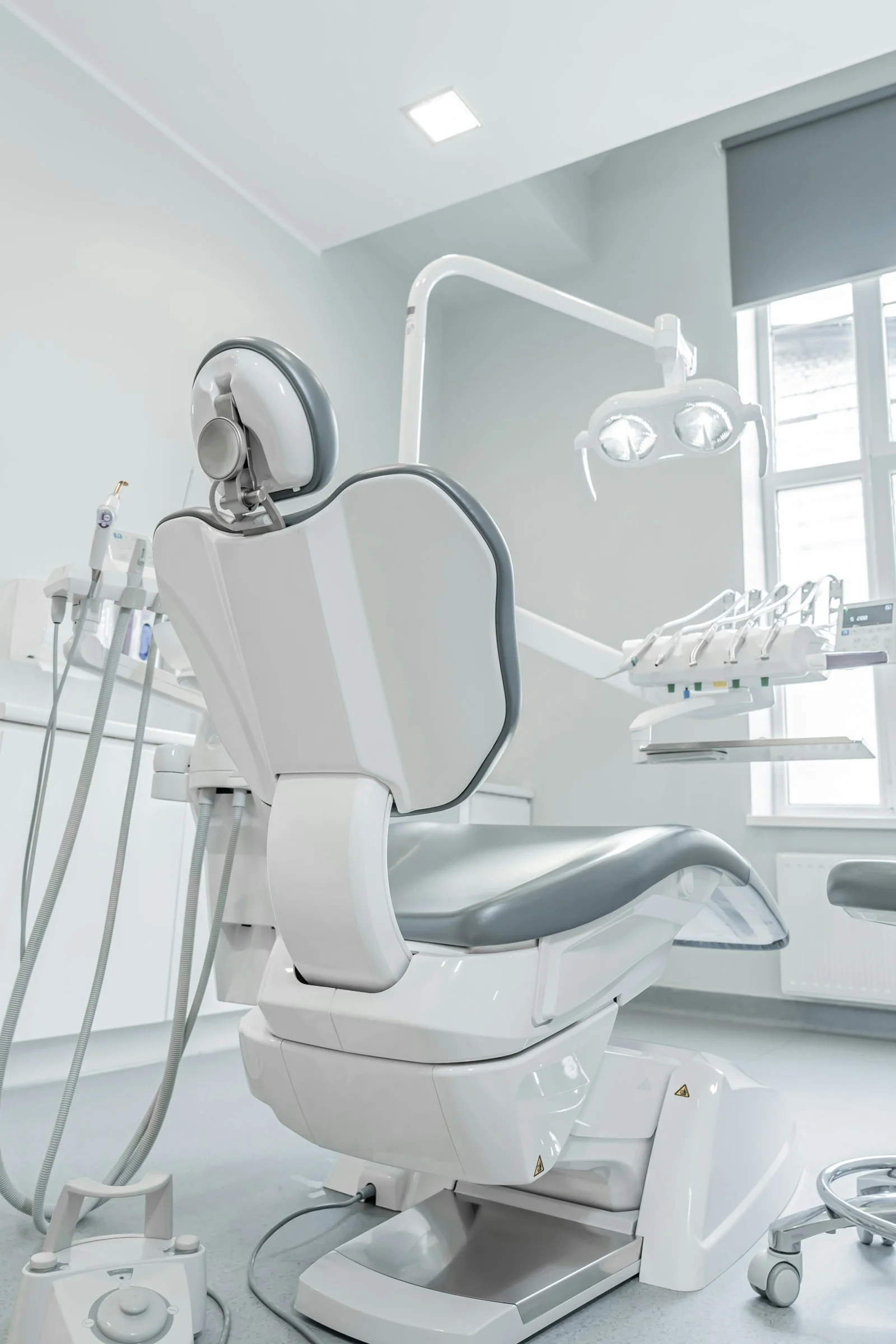
Single-use items — gloves, suction tips, cups, certain needles — are used once and discarded. Surfaces you lean against, the light handle, and the chair controls are wiped with disinfectant between patients. We change gloves between tasks when needed and always between people. These steps sound obvious when written down, yet they are easy to rush in a busy day. Building them into routine is how a small clinic stays trustworthy.
- Instrument cleaning, packaging, and heat sterilisation before reuse
- Single-use items for anything that should never be shared
- Surface disinfection of chair, light, and counters between patients
- Hand hygiene and fresh gloves as a default, not an exception
- X-rays only when the image will change diagnosis or treatment
- Clear explanations so you know what you are agreeing to
How we decide whether you need an X-ray today
A check-up alone does not automatically mean films. We ask about pain, sensitivity, biting habits, and previous treatment. We look for soft spots, cracks, swelling, and gum pockets. If something is unclear — for example, a deep filling with a new ache, or a tooth that looks short because the gum has changed — an image helps. If you are planning a crown, root canal, extraction, or implant discussion, images are often part of safe planning rather than an optional extra.
Bring older X-rays if another clinic gave you copies. Repeating every image is not always necessary. We would rather build on what already exists when the quality is good and the date is recent enough. That respect for your time and exposure is part of thoughtful care.
Questions you are welcome to ask
You can ask how instruments are sterilised, why a particular X-ray is suggested, or whether a finding on the screen is urgent or simply something to watch. If you feel anxious about radiation or infection control, say so. Seeing a sealed instrument pack opened in front of you often settles nerves more than any brochure. At Tooth and Gums, we would rather spend two minutes explaining than leave you guessing.
What this means for your everyday visit
A good visit is about knowing the tools are prepared, the diagnosis is based on clear information, and the plan matches what your mouth needs. Digital X-rays help us show you the “why.” Sterilisation protects the “how.” Together they make neighbourhood dentistry feel steady and respectful.
- Instrument sterilisation cycles
- Single-use items where appropriate
- Surface disinfection between patients
If you are new to our clinic, or returning after a long gap, mention any concerns when you book. A short WhatsApp note or a word at reception is enough — we can set aside time to walk you through what we do. Dr. Neeraj Chauhan and the team at Tooth and Gums, Greater Noida, are glad to answer calmly. Clear images and clean instruments should be part of the ordinary care you expect every time you sit down.